
Tech
Insights LogicalShout: Guide to Its Meaning, Value, and Practical Use



Gaming has changed dramatically over the past decade. What was once mainly about buying a game, installing it, and playing alone has evolved into a connected ecosystem involving online communities, digital platforms, competitive play, streaming, guides, reviews, and constantly updated content.
That broader shift is part of the reason terms such as hearthssgaming can attract attention from people searching for gaming-related information, platforms, communities, or resources. But when users encounter a lesser-known gaming term, one important question usually comes first: What exactly is it, and what should I know before using or exploring it?
This guide takes a practical approach. Instead of making unsupported claims about a specific service, we will examine hearthssgaming through the lens of modern gaming platforms, online communities, game discovery, user experience, security, content quality, and responsible gaming habits.
The goal is simple: help readers understand what to look for, what information matters, and how to evaluate a gaming-related website or platform before spending time or money on it.
What Is Hearthssgaming?
The term hearthssgaming appears to be associated with the broader gaming and online entertainment space. However, information about a lesser-known gaming term can sometimes be limited, inconsistent, or difficult to verify from authoritative sources.
That makes context especially important.
A searcher may encounter hearthssgaming while looking for gaming content, a gaming website, community resources, game-related information, or a particular online platform. The exact purpose can depend on the website or service associated with the term at the time of the search.
Rather than assuming that every search result represents the same service, users should examine the actual website, its stated purpose, ownership information, available features, and terms of use.
Why Does Hearthssgaming Matter to Gamers?
Gaming websites can serve several different purposes. Some focus on entertainment content, while others concentrate on communities, game guides, reviews, digital products, or online gameplay.
A useful gaming platform should make its purpose clear.
Users should be able to understand:
- What the platform provides
- Who operates it
- What type of games or content it covers
- Whether an account is required
- Whether money is involved
- What information the platform collects
- How users can contact support
- What rules govern the service
These details can tell you considerably more than a catchy name or attractive homepage.
How Hearthssgaming Fits Into the Modern Gaming Landscape
The modern gaming industry is no longer limited to traditional consoles and PCs.
Today, players can interact with games through:
- PC gaming platforms
- Gaming consoles
- Mobile devices
- Cloud gaming services
- Browser-based games
- Online multiplayer communities
- Streaming platforms
- Gaming forums
- Digital storefronts
- Esports ecosystems
This creates a huge opportunity for gaming websites and communities.
A platform such as hearthssgaming, depending on its actual function, may be relevant to one or more parts of this ecosystem. However, users should avoid assuming that a gaming-related name automatically means a platform offers every feature associated with gaming.
The best approach is to verify features directly from the service itself.
What Features Should You Look for on Hearthssgaming?
If you are exploring hearthssgaming, start by identifying its core features.
Not every gaming website needs to provide everything. A specialist site can actually be more useful when it focuses on a specific audience or gaming category.
1. Clear Game Information
Good gaming resources should provide accurate and understandable information.
Depending on the website’s purpose, that may include:
- Game descriptions
- Gameplay information
- System requirements
- Release details
- Updates
- Multiplayer information
- Compatibility details
- Developer or publisher information
Accuracy matters because outdated gaming information can quickly become frustrating.
A game may receive a major update that changes its mechanics, hardware requirements, pricing, or online features. Quality gaming content should account for those changes.
2. Easy Navigation
A gaming website should not make users work to find basic information.
The navigation should be logical and predictable. Important sections should be easy to identify, while unnecessary pop-ups and confusing menus should be minimized.
A strong interface typically makes it easy to move from:
Homepage → Game → Information → Related Content
That simple journey can significantly improve the overall experience.
3. Mobile Compatibility
Gaming audiences are increasingly diverse.
Someone might discover a gaming article on a smartphone while commuting and later access the same website from a desktop computer.
For that reason, mobile responsiveness matters.
A useful platform should:
- Load properly on smartphones
- Keep text readable
- Make buttons easy to tap
- Avoid excessive pop-ups
- Maintain functional menus
- Avoid layouts that shift unexpectedly
Mobile usability is not just an SEO consideration. It is a basic user-experience requirement.
Is Hearthssgaming Safe to Use?
Safety is one of the most important questions users should ask before interacting with any unfamiliar gaming website.
There is no universal way to determine whether an unknown platform is safe simply from its name. Instead, evaluate the site using several practical checks.
Check the Website Address
Before entering credentials or payment details, verify that you are visiting the intended website.
Look carefully at the domain name.
Unexpected spelling variations, excessive subdomains, suspicious redirects, or unfamiliar URLs deserve additional attention.
Look for HTTPS
HTTPS encryption helps protect information transmitted between your browser and a website.
A secure connection is important, but HTTPS alone does not prove that a website is trustworthy. Many legitimate and malicious websites can technically use encrypted connections.
Think of HTTPS as one security signal, not a complete safety certification.
Review Privacy Information
A reputable platform should explain how it handles user data.
Look for information about:
- Account information
- Cookies
- Analytics
- Payment information
- Marketing communications
- Data retention
- Third-party services
- Account deletion
If a website asks for substantial personal information but provides little explanation about why that information is required, users should proceed carefully.
Should You Create an Account on Hearthssgaming?
That depends on what the platform actually offers.
Some gaming websites provide useful information without requiring registration. Others need an account for features such as:
- Saved games
- User profiles
- Community participation
- Online multiplayer
- Comments
- Personalized recommendations
- Purchases
- Progress tracking
Before creating an account, consider whether registration provides a meaningful benefit.
You should also use a unique password rather than recycling the same password used for email, banking, or other important accounts.
If two-factor authentication is available, enabling it adds another layer of protection.
Understanding Gaming Content Quality
One of the biggest differences between high-quality gaming resources and low-quality websites is the depth of their content.
A strong gaming article should do more than repeat basic information.
For example, instead of saying that a game is “popular,” useful content can explain:
- What makes the gameplay distinctive
- Who the game is designed for
- How difficult it is for beginners
- What platforms support it
- Whether multiplayer features are available
- How frequently the game receives updates
- What hardware is required
- What alternatives exist
This type of information helps readers make informed decisions.
Why Originality Matters
Gaming is a highly competitive content category.
Thousands of websites publish game reviews, guides, walkthroughs, rankings, news stories, and tutorials every day.
Simply rewriting information from another website does not create meaningful value.
Better gaming content adds something useful through:
- Clear explanations
- Original analysis
- Practical examples
- Updated information
- First-hand observations when genuinely available
- Proper sourcing
- Transparent limitations
That is also consistent with the broader principles of people-first content.
Hearthssgaming and Gaming Communities
Gaming is increasingly social.
A player may start a game alone but eventually become part of a larger community through multiplayer matches, Discord groups, forums, livestreams, social media, or esports.
Gaming communities can provide:
- Strategy discussions
- Troubleshooting
- Game recommendations
- Multiplayer partners
- News
- Modding information
- Competitive opportunities
- New-player support
If hearthssgaming functions partly as a gaming community or content hub, community quality can be just as important as technical features.
A large community is not automatically a good community.
Healthy communities generally have clear rules, moderation, and mechanisms for reporting abuse or inappropriate behavior.
How to Evaluate Hearthssgaming Reviews
Reviews can be useful, but they should never be treated as automatically accurate.
When evaluating reviews about hearthssgaming, look for patterns rather than relying on a single comment.
Ask:
- Are multiple users describing the same experience?
- Are reviews recent?
- Do reviewers provide specific examples?
- Are positive and negative experiences both represented?
- Does the platform respond to legitimate complaints?
- Are reviews discussing the same website or service?
Context is extremely important.
A complaint from several years ago may no longer describe the current service. Likewise, a single extremely positive review does not establish that every user will have the same experience.
Common Problems Gamers Should Watch For
Regardless of the specific gaming platform, users should be aware of common online problems.
Excessive Advertising
Advertising supports many free gaming websites, but excessive advertising can interfere with usability.
Warning signs include:
- Multiple automatic redirects
- Full-screen advertisements appearing repeatedly
- Fake download buttons
- Unexpected browser notifications
- Pages that constantly open new tabs
If normal navigation becomes difficult because of advertisements, reconsider whether the site is worth using.
Suspicious Downloads
Never install unknown software simply because a gaming page tells you that you need an “update.”
Downloads should come from trusted sources.
Be especially careful with files claiming to be:
- Game cracks
- Premium unlockers
- Cheats
- Account generators
- Free currency tools
- “Required” browser extensions
These categories are frequently associated with security risks.
Requests for Unnecessary Information
A gaming website should have a reasonable explanation for the information it requests.
Be cautious if a basic gaming resource unexpectedly asks for highly sensitive personal details.
How Gaming Platforms Can Improve User Experience
A modern gaming platform succeeds when technology and usability work together.
Here are several characteristics that can make a gaming website more useful.
Fast Performance
Nobody wants to wait several seconds for every page.
Performance improvements can include:
- Compressed images
- Efficient scripts
- Browser caching
- Content delivery networks
- Lightweight page layouts
- Optimized video delivery
Speed becomes particularly important for mobile users.
Accessible Design
Gaming websites should be usable by as many people as possible.
Accessibility can involve:
- Readable typography
- Strong contrast
- Keyboard navigation
- Descriptive labels
- Alternative text for meaningful images
- Clear error messages
Accessibility is not merely a technical checkbox. It improves usability for a much wider audience.
What Makes a Gaming Website Trustworthy?
Trust develops through transparency.
For hearthssgaming or any comparable gaming platform, users can look for several trust signals.
Clear ownership: Users should know who operates the service when that information is relevant.
Transparent policies: Privacy policies and terms should be understandable rather than deliberately confusing.
Reliable contact information: Users should have a reasonable way to request help.
Consistent content: Articles and information should avoid obvious contradictions.
Updated information: Gaming changes rapidly, so old information should be reviewed and updated when necessary.
Responsible monetization: Advertisements, affiliate links, subscriptions, and other commercial relationships should not be hidden from users.
How to Get More Value From Gaming Websites
If you regularly use gaming resources, develop a simple evaluation routine.
Step 1: Identify the Purpose
Determine what the website actually does.
Is it a news site, community, game database, store, guide platform, or entertainment publication?
Step 2: Check the Source
Look for ownership, editorial information, and contact details.
Step 3: Evaluate Content
Read several pages rather than judging the site from one article.
Step 4: Test the Experience
Check navigation, speed, mobile compatibility, and advertising.
Step 5: Protect Your Account
Use a unique password and enable two-factor authentication where available.
Step 6: Avoid Unnecessary Downloads
Only download software from sources you trust.
Step 7: Recheck Important Information
For pricing, system requirements, game updates, and similar details, verify information against the official game developer or publisher when possible.
Why Gaming Information Changes So Quickly
One reason gaming content becomes outdated is the speed of the industry itself.
Games receive patches. Platforms change policies. Hardware evolves. Online communities grow or disappear.
A guide that was accurate two years ago may now contain outdated instructions.
This is why evergreen gaming content still needs maintenance.
For publishers covering hearthssgaming or related topics, regular updates can improve usefulness considerably.
Instead of simply changing a publication date, content should be genuinely reviewed.
That means checking whether:
- Links still work
- Features still exist
- Pricing has changed
- Game requirements remain accurate
- Screenshots still represent the current interface
- Security recommendations remain relevant
Frequently Asked Questions About Hearthssgaming
1. What is hearthssgaming?
Hearthssgaming is a gaming-related search term that may refer to a website, platform, community, or gaming resource. Because lesser-known gaming terms can have limited publicly verifiable information, users should check the specific website and its current description rather than relying on assumptions based solely on the name.
2. Is hearthssgaming a gaming website?
The term is associated with the gaming space, but the exact function of a website using the name should be verified from its current official pages. Gaming websites can serve very different purposes, including news, guides, communities, entertainment, or game-related services.
3. Is hearthssgaming safe?
Safety cannot be established from the name alone. Before using an unfamiliar gaming website, check its domain, HTTPS connection, privacy policy, contact information, download behavior, account requirements, and reputation from multiple independent sources.
4. Can I create an account on hearthssgaming?
If the relevant platform provides account registration, users should first determine why an account is required and what information will be collected. Use a unique password and enable two-factor authentication if the option is available.
5. What should gamers check before using a new gaming platform?
Gamers should evaluate security, transparency, content quality, website performance, privacy practices, community standards, and download safety. It is also useful to compare important information with official developer or publisher sources.
Final Thoughts on Hearthssgaming
The gaming world is enormous, and new websites, communities, tools, and content platforms appear constantly. That creates plenty of opportunities for gamers, but it also means users need to distinguish genuinely useful resources from websites that provide little value or create unnecessary risks.
When researching hearthssgaming, the most practical approach is not to rely on the name alone. Examine what the platform actually provides, who operates it, how transparent its policies are, what information it requests, and whether its content remains accurate and useful.
For everyday gamers, a few simple habits can make a major difference: protect your accounts, avoid suspicious downloads, verify important information through authoritative sources, and think carefully before sharing personal or payment information.
Ultimately, the strongest gaming platforms are those that respect their users while providing clear, useful, and reliable experiences. Whether hearthssgaming is being explored for gaming content, community interaction, or another gaming-related purpose, applying these evaluation principles can help you navigate the platform more confidently and responsibly.

Technology changes quickly. A device that feels cutting-edge today can become ordinary surprisingly fast. New processors arrive, operating systems change, applications introduce new features, and cybersecurity threats continue to evolve.
That is why tips for tech-heads BeaconSoft is a useful topic for anyone who enjoys technology but wants to use it more effectively. Being interested in technology is one thing. Knowing how to choose, configure, secure, troubleshoot, and maintain your devices is another.
Whether you are a PC enthusiast, smartphone user, developer, gamer, remote worker, content creator, or simply someone who likes experimenting with new gadgets, practical knowledge can save time and money.
This guide focuses on the habits that make technology easier to understand and manage. Instead of chasing every new product, the goal is to develop a smarter approach to hardware, software, security, connectivity, productivity, and digital maintenance.
Why Tips for Tech-Heads BeaconSoft Matter in Everyday Technology
Being a technology enthusiast does not necessarily mean owning the newest device.
In many cases, experienced users get more value from existing hardware because they understand how to configure it properly. They know which settings matter, which applications are unnecessary, how to protect accounts, and when an upgrade is actually justified.
The most useful tips for tech-heads BeaconSoft therefore begin with a simple principle: understand your technology before replacing it.
A slow computer may need additional storage, a software cleanup, a memory upgrade, or a configuration change rather than an entirely new machine.
Similarly, poor smartphone battery life might be caused by background activity, excessive screen brightness, location services, or poorly optimized applications.
Before spending money, identify the actual problem.
Build a Technology Inventory
Start by knowing what you already own.
Create a simple list containing:
- Computers and laptops
- Smartphones and tablets
- Smartwatches and wearables
- Routers and networking equipment
- External storage
- Monitors and accessories
- Important software subscriptions
- Cloud-storage accounts
Record the approximate age and primary purpose of each device.
This makes future purchasing decisions much easier because you can identify gaps instead of buying technology simply because it looks interesting.
Tips for Tech-Heads BeaconSoft for Choosing New Devices
Buying technology can become confusing because manufacturers often highlight impressive specifications without explaining how those specifications affect everyday use.
A high specification is not automatically a meaningful improvement.
When comparing devices, begin with your workload.
Someone who primarily browses websites and writes documents has very different requirements from someone editing 4K video, running virtual machines, developing software, or playing demanding games.
Look Beyond the Headline Specifications
For computers, consider the complete configuration:
- Processor generation and performance
- RAM capacity
- Storage type and capacity
- Graphics hardware
- Display quality
- Port selection
- Wireless connectivity
- Battery capacity
- Cooling system
- Upgradeability
- Warranty and support
For smartphones, consider camera performance, display quality, software support, battery behavior, processor efficiency, storage, connectivity, and repairability.
One of the strongest tips for tech-heads BeaconSoft is to compare devices based on your actual workload instead of comparing numbers in isolation.
Think About Longevity
A device should not only work well on its first day.
Consider how long the manufacturer is likely to provide software updates and security support. Also think about whether the storage, memory, battery, and other components will remain adequate as your requirements increase.
A slightly more capable device can sometimes provide more practical value over several years than a cheaper product that quickly becomes restrictive.
How to Keep Your Computer Running Smoothly
Computers naturally accumulate files, applications, browser data, updates, and background processes.
That does not mean every slow computer is damaged or obsolete.
Start with basic maintenance.
Remove Unnecessary Software
Review installed applications regularly.
If you have not used a program for months and do not need it, uninstalling it can reduce clutter. Pay particular attention to applications that launch automatically when the computer starts.
Manage Startup Applications
Too many startup programs can make a computer feel sluggish immediately after booting.
Keep essential utilities enabled and disable applications that do not need to launch automatically.
Maintain Adequate Storage
A nearly full system drive can create performance and maintenance problems.
Keep reasonable free space available and move large files such as videos, archives, and old installers to appropriate external or cloud storage.
Keep Software Updated
Operating system and application updates can include security fixes, compatibility improvements, and performance changes.
However, updates should be obtained through legitimate sources rather than unknown download sites.
These basic habits are among the most practical tips for tech-heads BeaconSoft because they require little money and can prevent many avoidable problems.
Tips for Tech-Heads BeaconSoft for Better Smartphone Performance
Smartphones have effectively become pocket-sized computers.
They handle communication, photography, navigation, payments, entertainment, work, authentication, and countless other tasks.
Yet users often overlook basic maintenance.
Review Battery Usage
If your phone battery suddenly drains faster, check the battery or power-management section in the operating system.
Look for applications consuming unusually high amounts of power.
Possible causes include:
- Excessive background activity
- High screen brightness
- Constant location access
- Continuous synchronization
- Poor cellular reception
- Intensive gaming
- High refresh-rate settings
Do not immediately assume that the battery itself has failed.
Clean Up Storage
Photos and videos can consume storage surprisingly quickly.
Periodically remove duplicate files, unnecessary downloads, old screen recordings, and applications you no longer use.
Before deleting important files, confirm that they are backed up correctly.
Control Notifications
A smartphone can become distracting when every application is allowed to interrupt you.
Keep notifications enabled for genuinely important services and reduce unnecessary alerts.
This improves focus while also reducing the amount of time spent checking the device.
Tips for Tech-Heads BeaconSoft for Stronger Cybersecurity
Technology enthusiasts often experiment with more software, services, devices, and online platforms than average users.
That makes cybersecurity especially important.
The first layer of protection is account security.
Use Unique Passwords
Avoid reusing one password across multiple accounts.
A password manager can help generate and store unique credentials without requiring you to memorize every password.
Enable Multi-Factor Authentication
Where supported, enable multi-factor authentication.
This creates an additional security layer beyond the password.
Authenticator applications and hardware security keys can provide strong protection depending on the service and user’s requirements.
Keep Devices Updated
Security updates matter.
Install operating system, browser, application, and firmware updates from trusted sources. Do not ignore security patches simply because the device appears to be working normally.
Be Careful With Downloads
Avoid installing cracked applications, suspicious browser extensions, unknown executables, or software from questionable websites.
Free software is not automatically dangerous, but its source matters.
One of the essential tips for tech-heads BeaconSoft is to treat every downloaded application as something that deserves basic scrutiny.
How to Improve Home Wi-Fi and Networking
A fast internet package cannot compensate for a badly configured local network.
If your internet feels slow, determine whether the problem comes from the internet connection, router, wireless interference, device limitations, or the website or service being accessed.
Restart and Update the Router
Routers are small computers and benefit from firmware updates.
Check the manufacturer’s management interface or official documentation for available updates.
Consider Router Placement
Physical placement can influence wireless performance.
Avoid hiding a router inside enclosed furniture or placing it directly beside large sources of electrical interference.
Positioning it in a relatively central and elevated location can improve coverage in many homes.
Separate Important Devices
If your router supports multiple networks, consider using appropriate network segmentation for guest devices and smart-home equipment.
This can help reduce unnecessary exposure between devices.
For enthusiasts, networking knowledge is one of the most valuable tips for tech-heads BeaconSoft because understanding the local network makes troubleshooting considerably easier.
Tips for Tech-Heads BeaconSoft for Better Digital Productivity
More technology does not automatically mean more productivity.
In fact, excessive applications, notifications, browser tabs, and complicated workflows can create digital friction.
The solution is to simplify.
Organize Your Files
Create a consistent folder structure.
For example:
- Work
- Personal
- Projects
- Documents
- Photos
- Archives
Use meaningful filenames rather than vague labels such as “document-final-new2.”
A predictable structure makes files easier to locate years later.
Reduce Browser Clutter
Bookmarks can become overwhelming.
Delete outdated bookmarks and organize important resources into clearly labeled folders.
For recurring work, consider browser profiles or dedicated workspaces if your browser supports them.
Automate Repetitive Tasks
Automation can save significant time.
Depending on your technical skills, you might automate:
- File backups
- Data organization
- Scheduled reports
- Repetitive spreadsheet tasks
- Software deployment
- Routine system maintenance
The important point is to automate stable processes carefully. Automation should reduce work, not create a new troubleshooting project every morning.
How to Troubleshoot Technology Without Guessing
Good troubleshooting is systematic.
Randomly changing multiple settings makes it difficult to identify the real cause of a problem.
Instead, follow a structured process.
Step 1: Define the Problem
Describe exactly what is happening.
“Internet is slow” is less useful than “video calls become unstable every evening while other devices remain connected.”
Step 2: Identify Recent Changes
Ask what changed immediately before the problem appeared.
Possible changes include:
- New software
- Driver updates
- Hardware installation
- Network changes
- Password changes
- Operating-system updates
- New accessories
Step 3: Test One Variable
Change one thing at a time.
If you change five settings simultaneously and the problem disappears, you will not know which change fixed it.
Step 4: Check the Simplest Causes First
Make sure cables are connected, batteries are charged, Bluetooth or Wi-Fi is enabled, the correct account is being used, and the device has not simply been muted or disconnected.
This may sound obvious, but simple causes are extremely common.
Step 5: Document the Solution
If you solve a recurring problem, write down what worked.
Your future self will appreciate having the answer available instead of starting the investigation again.
This troubleshooting mindset is central to practical tips for tech-heads BeaconSoft because technical expertise is often less about memorizing solutions and more about knowing how to find them.
Tips for Tech-Heads BeaconSoft for Backups and Data Protection
Important files should never exist in only one location.
A hard drive can fail. A laptop can be stolen. An account can become inaccessible. Files can also be accidentally deleted.
A proper backup strategy reduces the consequences.
Follow a Multi-Copy Approach
For important data, maintain multiple copies using appropriately separated storage locations.
Possible options include:
- External drives
- Network-attached storage
- Cloud storage
- Offline archives
The exact setup depends on the importance and size of your data.
Test Your Backups
A backup that has never been restored is only an assumption.
Periodically test whether important files can actually be recovered.
Pay special attention to photographs, documents, project files, password-recovery information, and other irreplaceable data.
How to Explore Artificial Intelligence Without Losing Control
Artificial intelligence has become part of search, productivity software, programming tools, creative applications, smartphones, and business platforms.
For technology enthusiasts, experimenting with AI can be useful, but verification remains important.
AI-generated information can contain errors.
When using AI for technical work, verify important commands, security recommendations, calculations, configuration instructions, and factual claims against reliable documentation.
AI is particularly useful for brainstorming, explaining unfamiliar concepts, generating drafts, summarizing information, and assisting with routine coding tasks.
The most useful tips for tech-heads BeaconSoft around AI are therefore practical: use these systems as assistants, but maintain human oversight when accuracy matters.
Tips for Tech-Heads BeaconSoft When Upgrading Hardware
Hardware upgrades can provide significant improvements, but not every component needs replacing at the same time.
First identify the bottleneck.
Before Buying an Upgrade
Check:
- Compatibility with the motherboard or device
- Physical dimensions
- Power requirements
- Interface standards
- Manufacturer specifications
- Operating-system support
- Warranty conditions
- Whether the upgrade actually addresses the bottleneck
This prevents expensive purchases that deliver little noticeable improvement.
Emerging Technology Worth Watching
Technology enthusiasts do not need to adopt every new trend.
It is often more useful to understand what a technology does, where it is being used, and what limitations currently exist.
Areas worth following include:
- Artificial intelligence
- On-device AI processing
- Spatial computing
- Wearable technology
- Faster wireless connectivity
- Smart-home ecosystems
- Energy-efficient processors
- Privacy-enhancing technologies
- Advanced battery systems
- Cloud and edge computing
Some technologies mature quickly while others take years to become genuinely practical.
Keeping an analytical mindset is more useful than simply following headlines.
How to Build Better Technology Habits
The best technology setup is one that remains manageable.
Instead of continuously adding applications and devices, periodically review your digital environment.
Ask yourself:
- Which tools do I actually use?
- Which subscriptions are unnecessary?
- Are my important files backed up?
- Are my accounts protected?
- Is my software current?
- Are my devices still meeting my needs?
- Which repetitive tasks could be simplified?
- Which notifications are distracting me?
These questions turn technology maintenance into a routine rather than an emergency.
The broader lesson behind tips for tech-heads BeaconSoft is that technology should support your goals instead of creating additional complexity.
Frequently Asked Questions
1. What are tips for tech-heads BeaconSoft mainly about?
Tips for tech-heads BeaconSoft focuses on practical technology knowledge, including device selection, computer maintenance, smartphone optimization, cybersecurity, networking, backups, troubleshooting, productivity, and emerging technology.
2. How can I make my computer faster without buying a new one?
Start by checking startup applications, available storage, unnecessary software, background processes, operating-system updates, and possible hardware bottlenecks. If the hardware is upgradeable, additional memory or faster storage may also help depending on the specific system.
3. What is the most important cybersecurity habit?
Using unique passwords and enabling multi-factor authentication are two important account-security practices. Keeping operating systems and applications updated is also essential because updates frequently address security vulnerabilities.
4. How often should I back up important files?
The appropriate frequency depends on how often your data changes and how important it is. Files that change daily may benefit from automated backups, while less frequently modified archives may require less frequent updates. Most importantly, backups should be tested periodically.
5. Should technology enthusiasts always buy the newest devices?
Not necessarily. A new device can offer meaningful improvements, but an upgrade makes the most sense when it solves a real limitation such as insufficient performance, poor battery life, lack of software support, inadequate storage, or missing functionality.
Conclusion
Technology becomes much more useful when you understand how to manage it rather than simply consume it.
The strongest tips for tech-heads BeaconSoft revolve around a few consistent habits: identify your real requirements, research before buying, maintain existing hardware, secure your accounts, back up important information, troubleshoot systematically, and avoid unnecessary complexity.
You do not need the newest laptop, smartphone, router, or wearable to become a more capable technology user.
Start with the equipment you already have. Learn what it can do, identify its limitations, improve its configuration, and develop reliable digital habits.
When you eventually need an upgrade, you will be in a better position to recognize which features actually matter.
That is the real advantage of being a technology enthusiast. It is not simply knowing which products are new. It is knowing why a technology matters, how it works, where its limitations are, and how to use it responsibly.
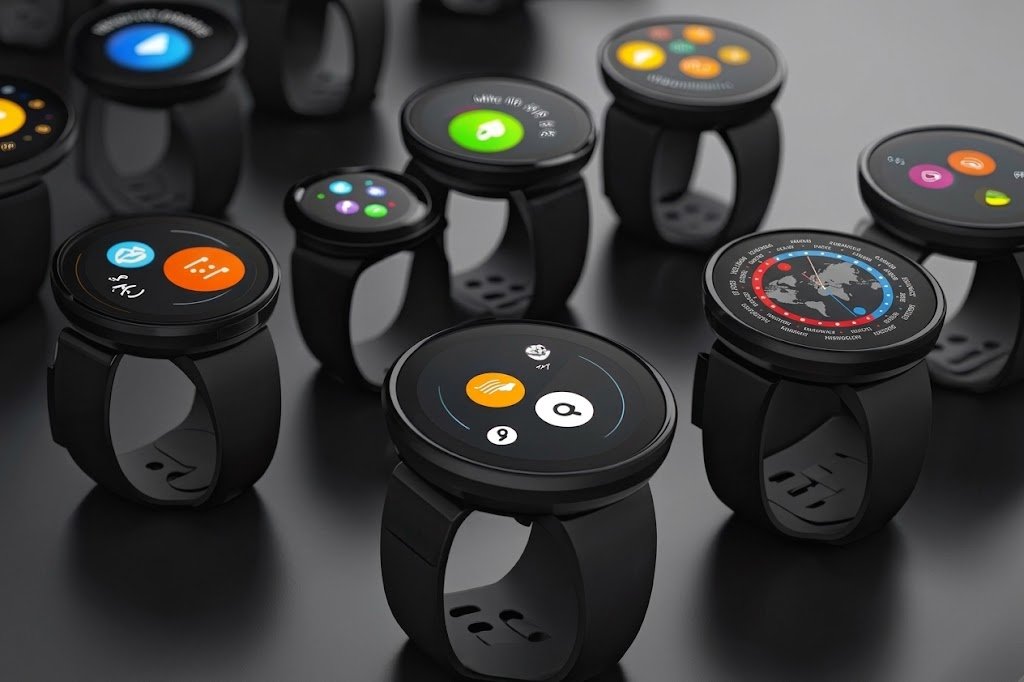
Wearable technology has moved far beyond simple digital watches. Today, smartwatches, fitness trackers, smart rings, connected glasses, and other wearable devices can monitor activity, display notifications, track workouts, support communication, and connect with smartphones and cloud-based services.
The phrase wearables FeedWorldTech brings together two important ideas: wearable technology and the growing need for practical technology information. Whether someone is researching a smartwatch, comparing fitness trackers, exploring health-related sensors, or simply trying to understand where wearable technology is heading, having a clear framework makes the subject much easier to understand.
Modern wearables are becoming smaller, more capable, and increasingly connected. At the same time, users need to think about battery life, compatibility, privacy, accuracy, comfort, pricing, and long-term usefulness before choosing a device.
This guide explains the wearable technology ecosystem in straightforward terms and explores how these devices are changing everyday digital experiences.
What Are Wearables FeedWorldTech and Why Are They Important?
The concept of wearables FeedWorldTech can be viewed through the broader development of wearable computing. Wearables are electronic devices designed to be worn on the body while performing specific digital functions.
Unlike traditional computers, wearables are designed to stay close to the user throughout the day. This allows them to collect information, provide alerts, and interact with other devices without requiring the user to constantly reach for a phone or computer.
Common examples include:
- Smartwatches
- Fitness trackers
- Smart rings
- Smart glasses
- Connected earbuds
- Health-monitoring devices
- Sports sensors
- Wearable safety devices
The biggest advantage is accessibility. Information can be available at a glance or collected automatically while the user goes about normal activities.
For example, a smartwatch can display a notification without requiring the user to unlock a smartphone. A fitness tracker can record movement throughout the day. A smart ring can collect selected biometric information while remaining relatively unobtrusive.
How Wearables FeedWorldTech Has Changed Everyday Technology
The development of wearables FeedWorldTech reflects a larger shift in how people interact with technology.
Early consumer wearables were often limited to basic step counting or simple notifications. Modern devices can combine sensors, wireless connectivity, mobile applications, processors, displays, and cloud services into a compact package.
This creates several important use cases.
Notifications and Communication
Smartwatches can display incoming calls, messages, calendar reminders, and application notifications.
For people who receive frequent alerts, this can reduce the need to repeatedly check a phone.
Some devices also support voice interactions, quick replies, calls, or other communication features depending on the model and connected smartphone.
Fitness Tracking
Fitness tracking remains one of the largest wearable categories.
Devices can record information such as:
- Steps
- Distance
- Workout duration
- Heart rate
- Calories
- Activity periods
- Exercise sessions
The usefulness of these measurements depends on sensor quality, device placement, software algorithms, and the specific activity being measured.
Navigation
Some smartwatches provide navigation instructions directly on the wrist.
This can be convenient when walking, cycling, or traveling because the user does not need to continuously hold a phone.
Which Types of Wearable Devices Should You Know?
The wearable market is not limited to smartwatches. Understanding the different categories makes it easier to determine what type of device fits a particular requirement.
Smartwatches
Smartwatches are the most recognizable form of modern wearable technology.
They generally combine:
- Touchscreen displays
- Notifications
- Fitness tracking
- Wireless connectivity
- Mobile applications
- Sensors
- Music controls
- GPS on selected models
Some models are designed primarily for everyday convenience, while others focus heavily on sports and outdoor activities.
Fitness Trackers
Fitness bands generally emphasize activity and health-related measurements rather than extensive smartwatch functionality.
They are often smaller and may offer longer battery life.
For someone who primarily wants activity tracking without needing a large display or extensive applications, a fitness-focused device may be sufficient.
Smart Rings
Smart rings represent a different approach.
Instead of placing a display on the wrist, they focus on compact sensors and synchronization with a smartphone application.
Their small size can make them attractive for users who want continuous tracking without wearing a conventional smartwatch.
Smart Glasses
Smart glasses are another developing category.
Depending on the product, they can include cameras, microphones, speakers, augmented-reality capabilities, or other connected functions.
The technology raises interesting possibilities but also introduces important questions around privacy, battery life, social acceptance, and practical usefulness.
How to Choose Wearables FeedWorldTech for Your Needs
Choosing a wearable should begin with the user’s actual requirements rather than the number of features listed on a product page.
A device with dozens of functions may not be useful if its battery does not last long enough or if it feels uncomfortable to wear.
1. Start With Your Main Purpose
Ask what you actually want the device to accomplish.
Do you primarily need:
- Exercise tracking?
- Notifications?
- Sleep tracking?
- Navigation?
- Communication?
- Outdoor sports features?
- Health-related monitoring?
- Minimal smartphone interaction?
The answer immediately narrows the selection.
2. Check Smartphone Compatibility
Compatibility is often overlooked.
Before buying a wearable, check whether it works properly with your smartphone’s operating system and whether all major features are supported.
Some devices may offer basic connectivity across platforms while reserving certain advanced features for a particular ecosystem.
3. Evaluate Battery Life
Battery capacity is only part of the story.
Actual battery life can change depending on:
- Display brightness
- GPS usage
- Cellular connectivity
- Continuous sensor monitoring
- Notifications
- Always-on display settings
- Workout frequency
A device with excellent features may become frustrating if it needs frequent charging.
4. Consider Comfort
A wearable is only useful if people are willing to wear it.
Think about:
- Weight
- Band material
- Device thickness
- Fit
- Skin sensitivity
- Sleep comfort
- Strap adjustment
For continuous tracking, comfort can be more important than having the largest possible feature list.
Wearables FeedWorldTech and Health Monitoring
One of the most discussed areas of wearable technology is health and wellness monitoring.
Modern devices can use sensors to estimate or measure various signals, depending on the hardware and software involved.
Examples may include:
- Heart rate
- Blood oxygen estimates
- Skin temperature
- Movement
- Sleep patterns
- Workout intensity
However, users should distinguish between consumer wellness tracking and medical diagnosis.
A wearable’s measurement or notification should not automatically be interpreted as a medical diagnosis. Accuracy can vary depending on the device, activity, fit, environmental conditions, and individual circumstances.
For important health decisions, professional medical advice remains essential.
This distinction is particularly important as wearable manufacturers add increasingly sophisticated sensors and algorithms.
How Wearables FeedWorldTech Uses Sensors
Sensors are at the heart of wearable computing.
A smartwatch or fitness tracker may combine several sensors to understand movement and physiological signals.
Accelerometers
Accelerometers detect changes in movement and orientation.
They can help identify steps, activity patterns, and certain exercise movements.
Gyroscopes
Gyroscopes measure rotational movement.
Combined with accelerometer data, they can help a device understand how it is moving through space.
Optical Sensors
Optical sensors can be used for various forms of physiological monitoring.
For example, some wearable devices use optical techniques to estimate heart rate.
GPS
GPS enables location tracking and distance measurement during activities such as running, cycling, and hiking.
However, continuous GPS use can consume considerable battery power.
What Makes Wearables FeedWorldTech Useful for Fitness?
Fitness is one of the clearest examples of where wearable technology can provide practical value.
Instead of relying entirely on memory, users can review activity information over time.
A fitness-focused wearable may help users understand:
- How frequently they exercise
- How long workouts last
- How active they are throughout the day
- How their activity changes over time
- Whether they are meeting personal goals
The greatest benefit often comes from long-term trends rather than individual measurements.
One isolated reading may not tell a meaningful story. A consistent pattern over weeks or months can provide a more useful picture of activity behavior.
Privacy and Security Considerations for Wearables FeedWorldTech
Convenience comes with responsibility.
Wearable devices can collect information that users may consider personal. Depending on the product and enabled features, this could include location information, activity data, device identifiers, or health-related measurements.
Before buying or connecting a wearable, users should review:
- Privacy policies
- Application permissions
- Cloud storage practices
- Data-sharing options
- Account security
- Device security
- Available privacy controls
Protect Your Wearable Account
Strong account security is particularly important when a wearable is connected to a broader digital ecosystem.
Useful precautions include:
- Use a strong, unique password.
- Enable two-factor authentication when available.
- Keep the wearable’s software updated.
- Review connected applications.
- Disable permissions you do not need.
- Avoid connecting the device to untrusted services.
Privacy should be treated as a feature, not an afterthought.
Common Problems With Wearable Technology
Even advanced wearables can experience practical problems.
Battery Drain
Continuous tracking, GPS, cellular connections, and bright displays can reduce battery life.
Reducing unnecessary features may improve endurance.
Synchronization Problems
A wearable may occasionally fail to synchronize with its smartphone application.
Restarting the devices, checking Bluetooth, updating applications, and verifying account connectivity can resolve many routine problems.
Sensor Accuracy
Wearable measurements are not always perfect.
Device fit, movement, skin contact, environmental conditions, and software algorithms can influence readings.
Users should avoid treating every number as an absolute measurement.
Software Updates
Firmware and application updates can introduce improvements, security fixes, or interface changes.
Keeping devices updated is generally an important part of maintaining a reliable wearable ecosystem.
How Wearables FeedWorldTech Could Develop in the Future
The future of wearables FeedWorldTech is likely to involve greater integration between sensors, artificial intelligence, mobile devices, and cloud services.
Several trends are particularly important.
Smaller Hardware
Manufacturers continue to work toward making sensors and components smaller while maintaining useful battery performance.
This could allow more capable technology to fit into rings, glasses, clothing, and other compact formats.
More Intelligent Software
Artificial intelligence can help interpret large quantities of sensor information.
Rather than simply presenting raw measurements, future systems may provide more contextual summaries and personalized insights.
However, better interpretation also increases the importance of transparency and privacy.
Expanded Wearable Ecosystems
Instead of using one device independently, consumers increasingly use multiple connected devices.
A smartphone, smartwatch, earbuds, laptop, and other accessories can potentially share information across a common ecosystem.
This can make technology more convenient, but it can also make users more dependent on a particular platform.
How to Get More Value From Your Wearable
Buying a wearable is only the first step.
To get meaningful value from it, establish a simple routine.
Step 1: Configure Only Necessary Features
Do not activate every notification immediately.
Start with the functions you actually need.
Step 2: Create Realistic Goals
If the device tracks activity, use achievable targets rather than unrealistic numbers.
Step 3: Review Trends
Look at weekly or monthly patterns instead of obsessing over every individual reading.
Step 4: Maintain the Hardware
Clean the device according to the manufacturer’s instructions, keep the software updated, and inspect straps or accessories for wear.
Step 5: Reassess Periodically
Technology changes quickly.
If a feature no longer provides value, disable it. If the device no longer meets your needs, consider whether an upgrade is genuinely necessary.
Frequently Asked Questions
1. What does wearables FeedWorldTech refer to?
The phrase wearables FeedWorldTech relates to wearable technology and information surrounding smart devices that can be worn on the body. This includes smartwatches, fitness trackers, smart rings, smart glasses, and related connected devices.
2. Are smartwatches useful for everyday activities?
Yes, depending on the user’s needs. Smartwatches can provide notifications, activity tracking, navigation, communication features, music controls, and other conveniences without requiring constant phone access.
3. Are wearable health measurements always accurate?
No measurement from a consumer wearable should automatically be treated as perfectly accurate. Results can be affected by sensor quality, device fit, movement, software algorithms, and other conditions.
4. What should I check before buying a wearable?
Consider compatibility, battery life, comfort, sensors, software support, features, privacy controls, pricing, and your actual use case. A device should solve your needs rather than simply offer the largest feature list.
5. Can wearable technology replace a smartphone?
Generally, wearables are designed to complement smartphones rather than completely replace them. Some models can perform communication and connected functions independently, but their capabilities vary considerably.
Conclusion
Wearable technology has developed from simple activity trackers into sophisticated connected devices that can support communication, fitness, navigation, productivity, and digital convenience.
The world of wearables FeedWorldTech is particularly interesting because the technology sits directly between the user and the digital services they rely on every day.
The best wearable is not necessarily the one with the most sensors or the longest specification sheet. It is the device that fits comfortably into your routine, works reliably with your ecosystem, provides useful information, protects your data, and delivers features you will actually use.
Before choosing a wearable, define your needs, compare the important specifications, investigate privacy practices, consider battery life, and think about long-term usability.
As wearable technology continues to evolve, these principles will remain useful. New sensors and smarter software may change what devices can do, but comfort, reliability, privacy, and practical value will continue to determine whether a wearable is genuinely useful in everyday life.


Hearthssgaming: Gaming Platform, Features, Content, and What Gamers Should Know

Terrence Duckett Net Worth: Career, Wealth, Family, and Life Beyond the Spotlight

Jacob Lofland Net Worth: Career, Earnings, Movies, and Biography

Galoble: The Definitive Guide to Global Connectivity and Local Synergy in the Digital Age

Pabington: The Definitive Guide to a New Era of Lifestyle and Design

Fanquer: The Definitive Guide to the New Frontier of Digital Engagement
-
 Blogs7 months ago
Galoble: The Definitive Guide to Global Connectivity and Local Synergy in the Digital Age
-
 Blogs7 months ago
Pabington: The Definitive Guide to a New Era of Lifestyle and Design
-
 Tech7 months ago
Fanquer: The Definitive Guide to the New Frontier of Digital Engagement
-

 Sports7 months ago
Cricfooty: The Ultimate Digital Hub for Cricket and Football Fans
-

 Blogs7 months ago
AHGRL: The Definitive Guide to Advanced Hybrid Governance and Resource Logic
-

 Tech7 months ago
DowsStrike2045 Python: The Definitive Guide to Next-Gen Framework Management
-

 Tech7 months ago
Cñims: The Future of Integrated Digital Management Systems in 2026
-

 Blogs7 months ago
Lusjstories: The Ultimate Guide to the Rising Storytelling Platform