Connect with us

Blogs

Jablje invites you to explore the deep history and unique charm that define Slovenia’s castle landscape.

Published

on

Jablje

What Is Jablje?

.
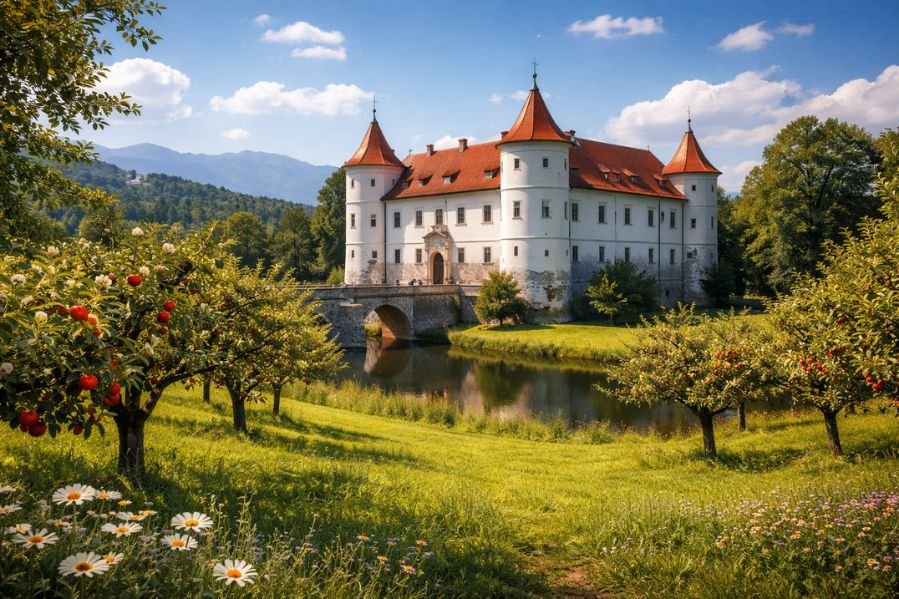
At its simplest, Jablje is a Slovenian locality best known for Jablje Castle. The castle is the main landmark near Loka pri Mengšu, a village in the Upper Carniola region, within today’s Central Slovenia statistical area. Many people learn of the name through the castle, but Jablje is more than a single building. It is a historic area where geography, settlement history, and aristocratic heritage meet. This is why the term often appears in discussions of Slovenian castles, cultural heritage, and regional identity.

What makes Jablje especially interesting is that it sits close to Ljubljana yet feels removed from the capital’s pace. The official castle presentation emphasizes this balance, describing the site as near the city while still surrounded by a calmer, more natural setting. That contrast helps explain why the estate has remained attractive across very different historical periods, from noble residence to institutional venue.

Editor’s Choice

Save up to $50 on Amazon Gift Cards

Limited-time deal · No promo code needed · Instant delivery

Save Now*Offer while supplies last

Affiliate Disclosure

This page contains affiliate links. As an Amazon Associate, we earn a small commission from qualifying purchases — at absolutely no additional cost to you. Our editorial opinions remain independent and unsponsored. Read our full disclosure policy.

The Historical Importance of Jablje Castle

Early references and the rise of the estate

The history of Jablje Castle reaches back centuries. Written references to the site date to 1268, while the structure seen today is generally traced to the first half of the 16th century, often around 1530. That makes the castle an important example of a Slovenian estate whose roots lie in the medieval period but whose architectural identity was shaped in the Renaissance era. Over time, the property passed through several noble hands, including the Lamberg family and later other aristocratic owners, before the end of the Second World War.

Change, damage, and restoration

Like many historic buildings in Central Europe, the castle’s story includes periods without preservation. After the war, authorities nationalized the estate and used it for practical purposes rather than as a noble home. This changed the castle’s condition and identity but kept it from being abandoned. True revival came later, thanks to a major restoration. The official castle website states that the most recent renovation was completed in 2004. Other historical summaries describe restoration work extending from the late 1990s into the mid-2000s. These efforts returned Jablje Castle to prominence, making it suitable for ceremonial and public use once more.

Architecture and Setting

A Renaissance structure with a strong presence

Architecturally, Jablje Castle stands as a striking Renaissance manor, graced over the years with artistic flourishes that add drama and character to its interiors. The stately structure, largely crafted in the 16th century, cuts a dramatic figure in Slovenia’s constellation of castles and manor houses. Its position is equally compelling—the estate rises where the sheltered karst terrain gives way to wide, open fields, creating a vivid tapestry of contrasts that intensifies its singular presence.

Interior heritage and artistic value

Stepping inside, visitors discover that Jablje’s allure extends to its heart: the castle’s interior boasts sumptuous Baroque frescoes, celebrated as among the estate’s most dazzling artistic treasures. Their opulent imagery and vibrant colors speak to centuries of patronage and creative ambition. Jablje is not merely a relic of fortification, but a beacon of artistic achievement—one that continues to entice cultural institutions and heritage travelers alike.

The Meaning Behind the Name Jablje

The name Jablje has drawn both scholarly and local interest. It seems to show a link between language and landscape. Recent linguistic summaries reject older German theories about the place-name. Instead, they connect the Slovene form to jabel, meaning apple tree. Jable is understood as an older variant. This interpretation is persuasive, given the region’s history of cultivated fields and orchards. In this way, Jablje is not just a place-name. It also reminds us how rural life and nature shaped the vocabulary of settlement in Slovenia.

This connection infuses the locality with a rare warmth. While many historic place-names live on only through battles fought or lands claimed, Jablje reverberates with the spirit of the earth itself. The name feels rooted and alive—human, intimate, and unmistakably local—qualities that linger in the imagination of all who encounter the castle today.

Jablje in Modern Slovenia

Today, Jablje Castle has moved beyond private aristocratic history and into public cultural life. It has hosted official events and is now linked with institutional and diplomatic functions. Historical summaries note the castle’s use as an important venue during Slovenia’s 2008 Presidency of the Council of the European Union. Recent government documents show it still serves as a site for conferences and public events. This modern use gives Jablje a second life. It has become not only a memory of the past, but also an active part of Slovenia’s present civic and cultural landscape.

That continuing use is a key reason Jablje remains relevant. Many historic sites survive mainly as static monuments. Jablje, in contrast, is still visited, hosts gatherings, and plays an active role in Slovenian public life. This blend of preservation and use helps give a heritage site lasting value.

Why Jablje Still Matters

Jablje matters because it brightly weaves together themes that define Slovenia’s cultural richness: a tapestry of eras, human-scaled intimacy, a living dialogue between landscape and identity, and a careful dance between preservation and vibrant use. The castle unspools a story from medieval beginnings to Renaissance transformation, aristocratic grandeur, postwar trials, and modern rejuvenation. The very name summons visions of blossoming orchards and rural abundance. Together, these threads transform Jablje from a mere pin on the map into a small, radiant cornerstone of Slovenian heritage imagination.

Conclusion

Jablje is best understood as a meeting point of history, architecture, language, and landscape. Centered on the enduring presence of Jablje Castle near Loka pri Mengšu, it reflects both the region’s noble past and its modern cultural relevance. The site’s Renaissance character, long historical record, and renewed role in public life give it lasting importance, while the likely connection of its name to the apple tree adds a distinctly local and human dimension. For readers interested in Slovenian heritage, Jablje stands as a compelling example of how even a relatively small locality can hold centuries of meaning.

(FAQs)

Where is Jablje located?

Jablje is associated with Jablje Castle near Loka pri Mengšu in Slovenia, within the Municipality of Mengeš.

What is Jablje best known for?

Jablje is best known for Jablje Castle, a historic castle estate with Renaissance roots and later cultural importance.

How old is Jablje Castle?

The site was first mentioned in 1268, while the current castle structure is generally dated to around 1530 or the first half of the 16th century.

What does the name Jablje mean?

The name is believed to be connected to the Slovene root for ‘apple tree,’ reflecting the rural, orchard-linked character of the surrounding area.

Is Jablje Castle still used today?

Yes. Jablje Castle remains active as a venue for events and public or institutional functions in modern Slovenia.

Continue Reading
Click to comment

Leave a Reply

Your email address will not be published. Required fields are marked *

Blogs

Candy AI: The Complete Guide to Virtual AI Companions, Features, Benefits, and Future Innovations

Published

on

candy ai

Candy AI has become one of the most discussed platforms in the growing market of AI-powered virtual companions. It combines conversational intelligence, character customization, and interactive experiences to create personalized digital relationships Many users are drawn to the platform because it offers a highly customizable environment where AI characters can adapt to preferences, communication styles, and engagement patterns This flexibility has helped Candy AI stand out among competing AI companion services As artificial intelligence continues to evolve, Candy AI represents a fascinating example of how technology can create more personalized and engaging interactions between humans and digital assistants.

Quick Bio

Feature Details
Feature Details
Name Candy AI
Category AI Companion Platform
Primary Use Virtual companionship and AI interaction
Origin Artificial Intelligence Industry
Industry Technology & AI Applications
Core Technology Natural Language Processing (NLP)
Common Interface Web-Based Platform
Main Audience Adults seeking AI interactions
Customization Character appearance and personality settings
Popular Applications Chatting, roleplay, entertainment, companionship
Key Benefit Personalized AI conversations
Future Potential Advanced emotional intelligence and realism

What Is Candy AI?

Candy AI brings lifelike chat partners to life using smart tech behind the scenes. From playful talkers to thoughtful listeners, each character shapes replies like real conversation. Talking unfolds smoothly because responses grow from deep learning patterns. These digital friends adapt without sounding robotic. Interaction feels familiar, yet different every time. Behind each message sits a system trained to mirror human rhythm. Characters stay engaging by picking up on subtle cues. The experience shifts slightly with every exchange. Realism comes not from scripts but from dynamic understanding. Each moment builds on what was said before.
Starting with how you look, users shape their avatar’s features. Appearance choices come first, then mood patterns follow. One trait builds on another, crafting distinct digital selves. Communication habits round things out, fitting behavior to identity.

The Origins of Candy AI

The rise of AI companions emerged from advancements in machine learning and conversational technology. As language models became more sophisticated, developers began creating platforms that offered more engaging and personalized experiences.

Candy AI entered this space by emphasizing character customization and interactive communication.

How Candy AI Works

The platform utilizes Natural Language Processing (NLP) and machine learning algorithms to generate responses. These technologies analyze user inputs and produce contextually relevant conversations.

The result is a more fluid interaction that feels responsive and tailored to individual preferences.

AI Conversation Engine

The conversational framework is designed to maintain context across discussions. This helps interactions feel more consistent and engaging over time.

Personalization Algorithms

User preferences influence character behavior, communication style, and interaction patterns, creating a more customized experience.

Key Features of Candy AI

Several features contribute to the platform’s popularity.

Character Customization

Users can create virtual companions with unique appearances, personalities, interests, and communication traits.

Interactive Conversations

The system supports dynamic discussions that adapt based on previous interactions and user preferences.

Image Generation Capabilities

Some versions include AI-generated visual content that complements character interactions and storytelling experiences.

Why Users Choose Candy AI

People engage with AI companions for different reasons. Some enjoy creative conversations, while others appreciate the entertainment value and personalized interactions.

The ability to shape a character’s personality often creates a more immersive experience than traditional chatbots.

The Technology Behind Candy AI

The platform relies on multiple AI technologies working together.

Natural Language Understanding

This technology helps the system interpret user intent and context more accurately.

Machine Learning Models

Continuous learning and optimization improve conversation quality and responsiveness.

Personalization Systems

Behavioral patterns help tailor interactions to individual user preferences.

Popular Uses of Candy AI

The flexibility of Candy AI supports various applications.

Entertainment

Many users enjoy interactive storytelling and character-driven conversations.

Creative Writing Support

Writers sometimes use AI companions for brainstorming ideas, character development, and dialogue inspiration.

Virtual Companionship

Some individuals appreciate having an AI character available for regular conversation and engagement.

Advantages of Candy AI

The platform offers several notable benefits.

Customization, availability, and interactive communication are among the most frequently cited advantages.

Users can engage whenever convenient without scheduling constraints.

Candy AI Compared to Traditional Chatbots

Traditional chatbots often focus on answering questions or completing tasks.

Candy AI places greater emphasis on personality, continuity, and relationship-building experiences, creating a more engaging interaction model.

Privacy and Safety Considerations

Users should always review platform policies before sharing personal information.

Understanding data handling practices and privacy controls helps ensure a safer experience while using AI companion technologies.

Commercial Growth and Market Influence

The AI companion sector has expanded rapidly in recent years. Increased interest in personalized digital experiences has contributed to the growth of platforms like Candy AI.

This market continues attracting investment as artificial intelligence capabilities improve.

Community and User Experience

User communities often share customization tips, character designs, and interaction strategies.

These communities contribute to platform engagement and help new users maximize available features.

Challenges Facing Candy AI

Despite its popularity, Candy AI faces several challenges.

Developers must balance realism, user expectations, privacy concerns, and evolving regulations while maintaining a high-quality experience.

Future Trends for Candy AI

Artificial intelligence advancements are expected to shape the next generation of virtual companions.

Improved Emotional Intelligence

Future systems may better understand emotional context and respond with greater nuance.

Enhanced Personalization

Customization options are likely to become even more detailed and adaptive.

Real-Time Learning

Future AI companions may adjust more effectively based on ongoing user interactions.

The Broader Impact of AI Companions

Platforms like Candy AI highlight changing relationships between humans and technology.

As AI becomes more sophisticated, virtual companions may play larger roles in entertainment, creativity, and digital communication experiences.

Best Practices for Using Candy AI

To maximize the experience:

  • Define clear expectations for interactions.
  • Explore customization features fully.
  • Review privacy settings regularly.
  • Use the platform responsibly.
  • Stay informed about new updates and features.

These practices help users gain the most value from the platform.

Conclusion

One thing stands out about Candy AI – it reshapes how people connect with smart systems. Instead of stiff replies, imagine responses that feel tuned just for you. Picture picking traits, tones, even quirks when shaping your digital partner. Over time, these chats grow less robotic, more like talking to someone who listens. With every update, expect smoother talk, finer details, sharper mimicry of real dialogue. Progress keeps pushing here, quietly refining what feels possible.

FAQs

1. What is Candy AI used for?

Candy AI is primarily used for virtual companionship, interactive conversations, creative engagement, and personalized AI character interactions.

2. Is Candy AI customizable?

Yes. Users can customize character appearance, personality traits, communication styles, and other attributes to create a personalized experience.

3. Does Candy AI use artificial intelligence?

Yes. The platform relies on advanced AI technologies, including Natural Language Processing and machine learning, to generate realistic conversations.

4. Is Candy AI suitable for creative projects?

Many users leverage Candy AI for brainstorming, storytelling, dialogue creation, and character development within creative workflows.

5. What future improvements may come to Candy AI?

Future developments may include enhanced emotional intelligence, more advanced personalization systems, improved realism, and richer interactive experiences.

Continue Reading

Blogs

Fascisterne Explained: Meaning, History, Ideology, and Modern Relevance

Published

on

Fascisterne

Fascisterne is a Danish term that translates to “the fascists” in English It is used for supporters of fascism, an authoritarian political ideology linked to nationalism, dictatorship, and anti-democratic rule Understanding the word helps readers interpret history, political language, and modern public debate with more accuracy.

.

Quick Bio

Feature Details
Main Keyword Fascisterne
English Meaning The fascists
Language Origin Danish form of “fascist,” related to Italian “fascismo” and Latin “fasces”
Core Definition People or movements that support fascism or fascist-style politics
Historical Origin Strongly connected with Benito Mussolini’s movement in Italy after World War I
Primary Use Political history, media analysis, education, and public debate
Related Terms fascism, fascist ideology, authoritarianism, nationalism, dictatorship, anti-democracy
Common Contexts European history, World War II studies, political science, and civic education
Key Warning Sign Use of nationalism, scapegoating, violence, and leader worship to attack democracy
Modern Application Used carefully to discuss extremist politics, propaganda, and anti-democratic movements

Meaning and Word Origin of the Term

Fascisterne translates to “the fascists” in Danish. Often pointing to individuals backing fascist ideals, sometimes it covers organizations too. Movements showing clear signs of fascism might carry the label as well. Groups sharing those traits fall under its reach just like single followers do.
One must handle this word carefully. Not simply name-calling in weighty texts. Points toward a lineage favoring tight control, fierce national pride, tossing aside democratic norms instead. Tradition shaped by rigid authority grows here.
Fascist shapes the core here, pulled straight from Italian fascismo. This term wanders backward to fasces – rods tied tight together, sometimes holding an axe – from ancient Rome.
Out of Mussolini’s push came a sign meant to show strength, control, one people under power. Because of that past, talking about it now still echoes with old regimes and meaning shaped by rule.

Historical Origins in Italy

Modern fascism rose in Italy after World War I, when social unrest, economic stress, and fear of socialism created space for aggressive nationalist movements. Benito Mussolini founded the Fasci Italiani di Combattimento in Milan in 1919 By 1922, Mussolini had become Italy’s prime minister. Over time, the regime weakened democratic institutions, controlled opposition, promoted propaganda, and placed loyalty to the state above individual freedom.

Political Conditions That Helped Fascism Grow

Fascisterne gained support in periods when many people felt anxious, angry, or humiliated. Economic hardship, unemployment, war trauma, and distrust of political leaders made simple, emotional messages more powerful.

Fascist movements often promised order, pride, and national rebirth. Instead of solving problems through open debate, they blamed minorities, leftists, outsiders, or “traitors” inside the nation.

Core Ideology Behind the Movement

Fascist ideology is not one single fixed doctrine, but it has repeated patterns. Supporters usually favor a strong state, strict hierarchy, militarized politics, and a leader who claims to represent the true will of the nation.

This worldview rejects compromise. It treats disagreement as weakness and presents political opponents as enemies rather than citizens with different ideas.

Extreme Nationalism

A central feature of Fascisterne is extreme nationalism. The nation is portrayed as sacred, pure, wounded, or under attack.

This creates an “us versus them” mindset. It can make discrimination look patriotic and turn ordinary social problems into battles over identity.

Leader Worship and Obedience

Fascist movements often build loyalty around a powerful leader. The leader is shown as decisive, heroic, and above normal political limits.

In this system, obedience becomes a virtue. Independent courts, free media, unions, and opposition parties are treated as barriers to national unity.

Anti-Democratic Power

Fascisterne oppose the idea that power should be checked by voters, laws, and institutions. Elections may be used, but only as a tool to gain control.

Once in power, fascist regimes often weaken parliament, intimidate critics, restrict civil rights, and use security forces or party militias to silence resistance.

Symbols, Propaganda, and Public Performance

Fascisterne have often relied on dramatic symbols, uniforms, flags, rallies, slogans, and staged public events. These tools create emotion before reflection.

Propaganda plays a major role. It repeats simple messages, glorifies strength, mocks weakness, and turns complex issues into sharp moral stories.

Fascist Movements Across Europe

Although Italy gave fascism its original political name, similar movements appeared in other parts of Europe during the interwar years. Germany, Spain, and several smaller movements developed their own authoritarian nationalist styles.

Not every far-right movement is identical. Still, this history shows how political violence, conspiracy thinking, and anti-democratic language can move from the margins into state power.

Fascism and Nazism: Similarities and Differences

Nazism shared many fascist features: dictatorship, mass propaganda, militarism, anti-communism, and contempt for democracy. It also had a central racial ideology, with antisemitism at its core.

Because of that, Nazi Germany is often discussed within the wider study of fascist politics, but it should not be treated as a perfect copy of Italian fascism. The differences matter, especially in education and historical analysis.

Danish Context and Modern Usage

In Danish, Fascisterne can be used in historical writing about Italy, Germany, Spain, and wartime Europe. It may also appear in journalism, political commentary, and classroom discussions.

The word has a strong emotional charge. Writers should explain what they mean, especially when discussing modern groups, because careless labeling can weaken the accuracy of an argument.

Today, Fascisterne is often used when people discuss authoritarian politics, extremist groups, propaganda, or threats to democracy. The term appears in debates about nationalism, hate speech, political violence, and online radicalization.

A careful writer avoids using the word as a casual attack. The better approach is to compare behavior with clear traits: anti-democratic goals, scapegoating, political intimidation, and praise for dictatorship.

Why This History Still Matters

Studying Fascisterne helps people recognize how democratic societies can be pressured from within. Fascism does not always arrive with clear labels. It can begin with fear, resentment, and promises of national rescue.

This topic also improves media literacy. When readers understand propaganda patterns, they can better evaluate political claims, emotional slogans, and attempts to dehumanize opponents.

Common Misunderstandings and Responsible Writing

Fascism isn’t just some old chapter tucked away in history books. Though time moves forward, echoes of its words, methods, and raw feelings quietly surface again – different wrapping, familiar core. A pattern repeats without saying its name.
Not all rigid views are fascist – that label gets misused too often. What actually counts involves more than just being strict. Power held by one leader, a push for national strength above all else, rejection of democratic systems – those fit better. Force isn’t just used; it’s praised. The mix defines it, not mere disapproval of change.
Start by pinning down what Fascisterne actually means. A clear definition sets the stage. History shapes its meaning, so trace events that gave rise to it. Facts stand on their own – keep interpretations apart. Choose words carefully; vague terms blur understanding. Evidence needs context, not assumptions. Meaning shifts when details get lost. Stay grounded in what can be shown. Opinions follow facts, never lead them.
Most times, a good piece stays calm instead of shouting. Understanding politics comes easier when words aren’t twisted just to grab attention.

Conclusion

This keyword is more than a translated political label. It is a word tied to one of the most serious warnings in modern history: democracy can be damaged when fear, nationalism, propaganda, and authoritarian leadership work together For students, writers, and readers, the best way to understand the subject is to study the facts, recognize the patterns, and use the term with accuracy. Clear language helps protect serious debate—and serious debate is one of democracy’s strongest defenses.

FAQs

1. What does Fascisterne mean?

Fascisterne means “the fascists” in Danish. It refers to people or groups associated with fascism, especially authoritarian nationalist movements that oppose liberal democracy.

2. Is Fascisterne the same as Nazis?

Not exactly. Nazism shared many fascist traits, including dictatorship and propaganda, but it also centered racial ideology and antisemitism in a specific way. Nazism is usually studied as part of the wider history of fascist and totalitarian movements.

3. Where did fascism begin?

Modern fascism began in Italy after World War I. Benito Mussolini’s movement grew during a period of social unrest, political conflict, and fear of socialism.

4. Why is the word Fascisterne still used today?

The word is still used because fascist ideas and tactics remain important in history, political science, journalism, and civic education. It helps describe anti-democratic movements when used with evidence and care.

5. How should writers use Fascisterne in an article?

Writers should define the term clearly, give historical context, and avoid using it as a loose insult. The strongest use is evidence-based, linking the word to traits such as authoritarianism, extreme nationalism, propaganda, and political intimidation.

Continue Reading

Blogs

Nerwey: Meaning, Uses, Origin, and Future of a Modern Digital Identity

Published

on

Nerwey

Nerwey is a modern keyword linked with online identity, content platforms, and flexible digital branding. It can describe a web name, a publishing idea, or a clean brand concept built for easy recall. This guide explains its meaning, uses, value, and possible future in clear, practical words.

Quick Bio

Feature Details
Core Definition Nerwey is an emerging digital-style term often linked with online platforms, modern branding, and content-based web identity.
Origin The exact origin is not firmly documented, but the word appears in recent web use as a coined or brand-like name.
Primary Use It is mainly used as a unique name for digital publishing, information websites, personal brands, and online projects.
Industry Commonly connected with web publishing, digital media, blogging, technology content, lifestyle content, and brand development.
Common Materials Domain names, logos, website themes, editorial calendars, images, social profiles, newsletters, and content management tools.
Popular Applications Online magazines, niche blogs, brand portfolios, media startups, search-friendly content hubs, and creative web communities.

What Is Nerwey?

What if Nerwey showed up not as a rigid label but something fluid? Picture it shifting, depending on where you see it – on a site, in posts, among people online. Not locked down by definition. More like a sign that changes shape based on who uses it and how they use it. Meaning builds slowly, through motion, through context. A name doing double duty: identifier plus vibe.
Open in meaning, the name hits quick because it’s brief. Since it doesn’t lock into just one thing, people shaping things can apply it to sites about knowing stuff, making marks, putting work out, tech news, living ways, or broad knowledge spots.

Meaning and Name Origin

The exact origin of Nerwey is not clearly recorded in public language sources. That makes it different from old trade terms or traditional craft names. It appears to be a coined digital word, which means its value grows through repeated use, clear branding, and audience recognition. Names like this are often chosen because they are easy to remember. This one has a smooth structure, a modern spelling, and a broad feel. These qualities make it useful for a project that wants to sound fresh without being locked into one topic.

Historical Background and Early Web Use

Many online terms begin as names before they become searchable concepts. This keyword follows that pattern. It is seen around informational websites and digital magazine-style pages, where the word is used as a platform identity rather than a traditional product category. This matters because a new keyword can build authority when its meaning is explained clearly. A site using Nerwey should define the term early, connect it with helpful topics, and repeat its meaning across pages in a natural way.

Main Purpose and User Intent

People searching for Nerwey may have different goals. Some may want to know what it means. Others may be looking for a website, a brand, a digital platform, or a content project connected with the name. For that reason, content around the term should answer several search intents at once. A strong page should explain the definition, background, uses, brand value, online applications, and future potential without making the reader work hard.

Modern Applications of Nerwey

The keyword can fit many modern web uses because the name is broad and adaptable. It can support an online magazine, a business blog, a creative portfolio, a tech guide, or a general knowledge hub. The best use depends on how the brand is positioned. If it is used for a blog, the content should be organized into clear categories. If it is used for a company, the message should focus on trust, clarity, and service value.

Content Publishing and Digital News

One strong application is content publishing. A platform built around this identity can cover topics such as business, technology, entertainment, lifestyle, travel, education, and web trends. To make this work, the platform needs a consistent editorial system. That includes topic clusters, simple headlines, updated articles, clear author pages, and easy navigation. These details help readers understand what the site offers and why they should return.

Branding, Naming, and Online Identity

Nerwey also works well as a brand identity because it is short and not too literal. A literal name can limit growth, while an open name allows a brand to expand into new areas. For example, a website that starts with tech explainers could later add business guides, lifestyle features, or interviews. The name still fits because it does not force the brand into one small category.

Materials, Tools, and Digital Assets

Since Nerwey is mainly a digital concept, its “materials” are not wood, metal, or fabric. The real materials are digital assets. These include a domain name, logo, typography, color palette, website layout, images, article templates, and social media handles. A strong digital asset system makes the brand easier to recognize. The logo should be clean, the colors should be consistent, and the writing style should stay simple. Over time, these small details create a stronger memory in the reader’s mind.

Industry and Commercial Variations

The name can be used in several industries. In media, it can become a publishing platform. In marketing, it can work as a content hub. In education, it can become a learning resource. In business, it can support a service website or professional brand. Commercially, the identity can be shaped in different ways. A site using it may earn through display ads, sponsored posts, affiliate guides, digital products, newsletters, consulting pages, or brand partnerships. The best model depends on audience trust and content quality.

Regional and Cultural Connections

Nerwey does not appear to belong to one confirmed region, language, or traditional culture. That can be an advantage for a global web project. A neutral coined name can speak to readers from many countries without feeling too local. Still, regional identity can be added through content. The platform could focus on UK news, Pakistani business, European travel, American entertainment, or global technology. The name stays flexible while the content gives it direction.

Design Style and Visual Identity

A good visual identity for Nerwey should feel clean, modern, and readable. Soft colors, bold headings, simple icons, and strong spacing can make the brand look premium without making it complicated. The design should also match the content type. A news-style platform needs fast scanning and clear categories. A creative brand can use more visual storytelling. A business-focused project should use a polished layout with trust signals, contact details, and strong service pages.

Search Value and Topic Coverage

Nerwey has useful search potential because it is not crowded like common keywords. A focused website can build topical authority by explaining the term and connecting it with related ideas such as digital branding, online publishing, content strategy, web identity, modern blogging, and media platforms. The key is not to repeat the keyword too much. The better method is to build meaning around it. Use clear subtopics, answer real questions, and create pages that solve specific problems for readers.

Common Mistakes to Avoid

The biggest mistake is using Nerwey without explaining it. If a visitor lands on a page and cannot understand the name within a few seconds, they may leave. Another mistake is making the brand too broad without structure. A flexible name still needs clear categories, a defined audience, and a steady publishing plan. Without these, the website can feel random instead of useful.

Future Trends for Nerwey

The future of this keyword depends on how consistently it is used. If the name is tied to helpful content, a strong design system, and a clear audience, it can grow into a recognizable online identity. Future growth may include newsletters, social communities, video content, mobile-friendly guides, expert interviews, and niche topic hubs. The more useful the content becomes, the more meaning the name gains.

Conclusion

Open roads stretch ahead for Nerwey – clean lines meet fresh chances in web presence or story spaces. Where one path ends, another begins: blank space waits, shaped by bold choices in layout, words that stick, direction without noise.
A strong name grows when meaning comes first. Put clarity up front, then let usage flow without force. Helpful pages show purpose better than slogans ever could. Consistency ties things together, no matter where people find you. Shape matters just as much as sound. When set right, trust builds slowly. A name might turn into a place people return to.

FAQs About Nerwey

1. What does Nerwey mean?

It is an emerging digital-style term often used as a brand-like name for online platforms, publishing projects, and content websites. Its meaning is flexible, so it can be shaped around the purpose of the website or business using it.

2. Is Nerwey a brand, website, or general term?

It can be all three depending on context. Some people may search for it as a website name, while others may treat it as a concept connected with digital identity, online media, or modern content publishing.

3. Why is Nerwey useful for online branding?

It is short, memorable, and not limited to one niche. That makes it useful for blogs, magazines, portfolios, marketing pages, or digital platforms that may expand into different topics over time.

4. What topics can a Nerwey website cover?

A website with this name can cover technology, business, lifestyle, entertainment, travel, education, digital trends, and general knowledge. The important thing is to organize topics clearly so readers know what the platform stands for.

5. How can someone build authority around Nerwey?

Start by defining the term, then create helpful content around related topics such as web publishing, brand identity, content planning, digital media, and audience trust. Consistent design, updated articles, and clear navigation can also build long-term authority.

Disclaimer

The information in this article is provided for general informational and educational purposes only. Nerwey is discussed as an emerging digital-style keyword and brand-related term based on available public usage. Since its meaning may vary by website, platform, or context, readers should verify details from official sources before making business, branding, or investment decisions.

Continue Reading

Trending

Copyright © 2017 Zox News Theme. Theme by MVP Themes, powered by WordPress.